Understanding Bulk Trucking: Vital Services for Optimized Freight Transport
Bulk transport is a crucial component in the logistics of transporting large volumes of goods. It covers multiple industries, ensuring that materials are delivered efficiently and with maximum cost efficiency. By employing specific transporters, this service minimizes the risks related to manipulation and enhances delivery speed. However, the landscape of bulk trucking is changing rapidly. Understanding its nuances can shed light on its increasing importance in contemporary distribution systems. What components result to its efficiency?
What Is Bulk Trucking?
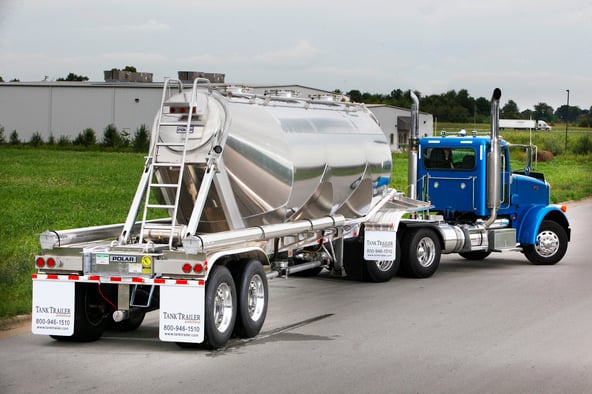
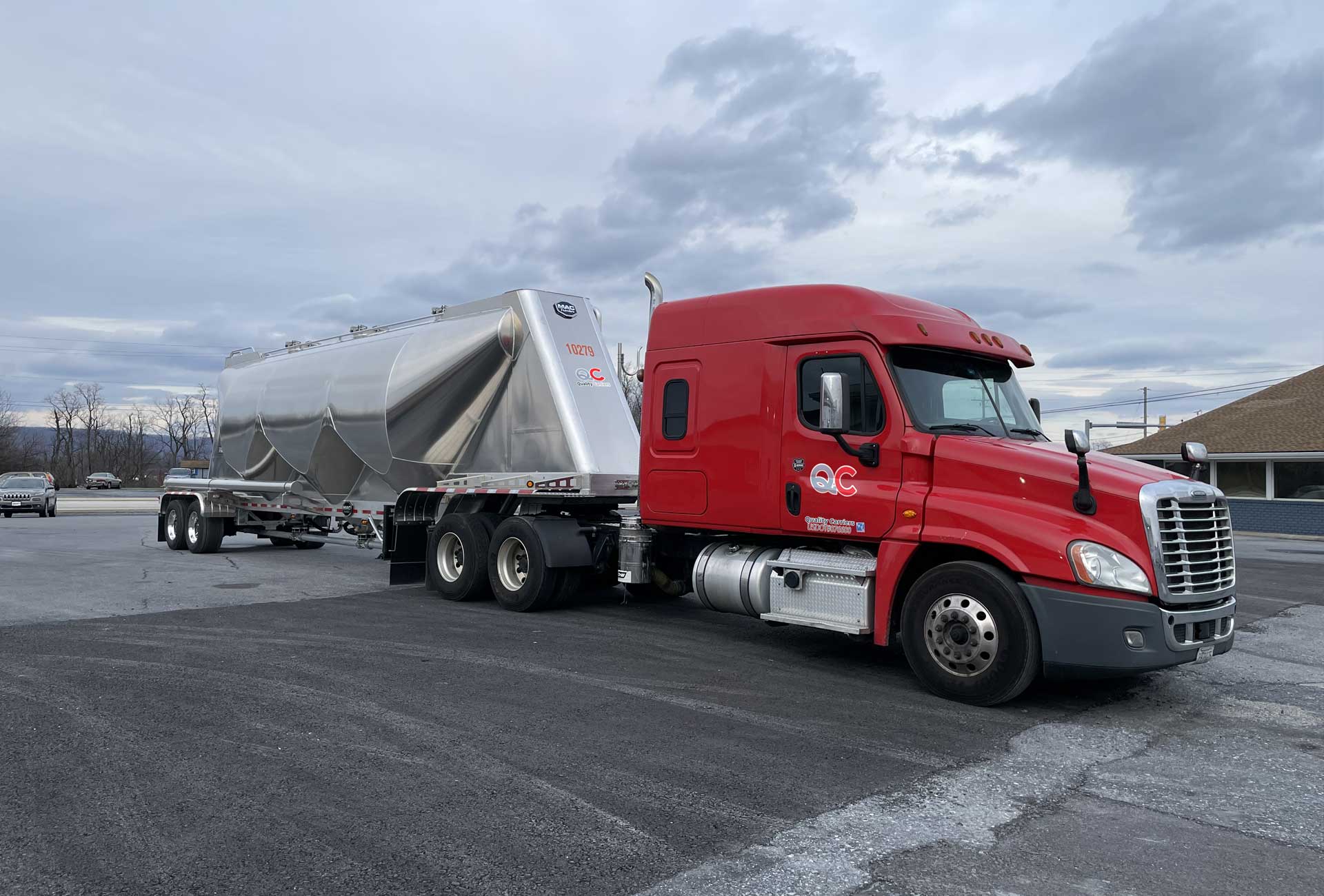
Bulk transport involves the hauling of massive amounts of goods, typically in liquid or dry form, using specialized vehicles. This method is essential for businesses requiring the movement of substantial loads, such as farming, chemical manufacturing, and building. Bulk trucks, like liquid tankers and hopper trucks for dry materials, are built to effectively handle and transport these bulk commodities.
The coordination of bulk hauling demand precise preparation and coordination, making certain the appropriate truck is used for specific materials to minimize impurity and breakage. In addition, rules overseeing bulk movement mandate compliance with safety criteria, specifically regarding risky substances.
Bulk transport is a key factor in the supply chain, aiding the quick movement of essential goods and simultaneously reducing expenses linked to hauling. By using this method, businesses can optimize their processes, ensuring a steady flow of review article materials needed for output and other processes.
Major Advantages of Bulk Transport
While many transportation methods exist, bulk trucking provides unique benefits that can substantially boost operational performance for numerous sectors. One significant benefit is cost-effectiveness; bulk trucking frequently decreases individual shipping expenses due to the ability to transport big loads concurrently. This efficiency translates into lower overall transportation expenses, making it an attractive option for businesses.
Additionally, bulk trucking provides flexibility in planning and navigation, allowing companies to adapt quickly to evolving needs. The ability to transport diverse cargo types, including raw materials and consumer goods, further broadens its appeal.
In addition, bulk trucking can accelerate transit times, as efficient operations and direct routes cut down on travel time. Better management of loads also leads to reduced handling, lowering the risk of harm in transit. In summary, these key benefits make bulk trucking an indispensable logistics solution for industries seeking reliability and efficiency in their supply chains.
Bulk Cargo Types
Various industries rely on bulk trucking to move diverse categories of freight. One of the most common categories includes farm produce, including grains, fertilizers, and animal feed. This cargo is usually moved in large quantities, requiring specialized bulk trucks designed for efficient loading and unloading.
In addition, construction materials like sand, gravel, and cement are commonly moved using bulk trucking services. These goods are crucial to various construction projects and demand on-time delivery to ensure projects stay on track.
Chemical substances, including liquids and dry chemicals, also constitute a significant portion of bulk cargo. These chemicals necessitate meticulous handling and adherence with safety regulations during transport.
Furthermore, food products, such as sugar and flour, are transported in bulk to satisfy manufacturing and distribution needs. Overall, the range of bulk cargo highlights the versatility and significance of bulk trucking in helping various parts of the economy.
Technology's Impact on Bulk Trucking
How has technology revolutionized the field of bulk trucking? The integration of advanced technologies has greatly enhanced operational efficiency and safety within the bulk trucking industry. GPS tracking systems enable monitoring cargo and vehicle locations in real-time, facilitating timely deliveries and improved route planning. Additionally, telematics has proven to be a crucial tool, providing critical data on vehicle performance, fuel consumption, and driver behavior, which ultimately results in cost savings and reduced environmental impact
(Illinois top rated Bulk Trucking)Moreover, automated systems for inventory management optimize loading and unloading processes, minimizing delays and maximizing productivity. Modern communication systems are also crucial, joining drivers, fleet managers, and clients effortlessly. The ability to connect fosters transparency and enhances customer service by providing accurate updates on the delivery progress. With the ongoing evolution of the sector, these tech innovations will continue to transform bulk hauling, driving innovation and enhancing the quality of service within a cutthroat environment
Finding the Ideal Bulk Trucking Partner
Choosing the right bulk transport provider is vital for businesses aiming to optimize their logistics operations. Businesses must start by assessing their unique freight needs, including the type of materials being transported and the volume. Checking the copyright's history with managing comparable loads can provide insight into their capabilities.
Moreover, firms need to evaluate the geographic coverage of the service, ensuring that the trucking company can efficiently reach the intended destinations. A further critical element involves the company's safety performance and adherence to sector rules, which can greatly impact the total trustworthiness of the operation.
The expense is another crucial element; however, companies must balance costs versus the standard of service to avoid compromising on critical aspects. Finally, customer support and how they communicate play a vital role in preserving openness throughout the shipping process. By thoroughly examining these factors, firms may pick a bulk hauling partner that aligns with their operational needs and goals.
Frequently Asked Questions
How Much Does It Usually Cost Associated With Bulk Trucking Services?
Typical costs associated with bulk trucking services comprise the cost of fuel, pay for drivers, maintenance fees, policy costs, and tolls. In addition, fees might change based on distance, the nature of the load, and sector needs, impacting overall pricing structures.
How Do I Prepare My Cargo for Bulk Transport?
To ready your load for bulk transport, verify suitable containment, make sure the cargo is fixed, check the maximum allowed weight, and label contents clearly. Additionally, inspect for any damage and comply with safety standards to allow for smooth transit and arrival.
What Are the Necessary Safety Standards to Bulk Trucking?
Safety regulations for bulk trucking mandate maintaining legal weight boundaries, ensuring cargo is properly secured, adherence to dangerous goods regulations, regular vehicle inspections, and driver training requirements to ensure secure transport and lower the risk of mishaps. - Illinois top rated Bulk Trucking
- Illinois top rated Bulk Trucking
How Do Bulk Haulers Address Transportation Delays?
Bulk trucking companies address interruptions by providing upfront client communication, modifying timelines, and diverting shipments if required. They also employ technological tools to monitor shipments, providing real-time information and lessening disturbances in the logistics network.
Is Bulk Haulage Suitable for Cross-Border Transport?
Certainly, bulk transport supports global shipping by collaborating with logistics partners and employing appropriate gear. These companies guarantee compliance with international regulations, enabling smooth international movement for various bulk commodities while maintaining efficiency and safety.