A Guide to Bulk Trucking: Essential Services for Optimized Freight Transport
Bulk transport is a key factor in the logistics of transporting substantial amounts of cargo. It encompasses various industries, guaranteeing that supplies are transported effectively and cost-effectively. By utilizing specialized vehicles, this service reduces the hazards involved in handling and boosts delivery swiftness. Yet, the domain of bulk trucking is undergoing transformation. Grasping its complexities can offer perspective on its increasing importance in modern supply chains. What factors contribute to its success?
What Is Bulk Trucking?
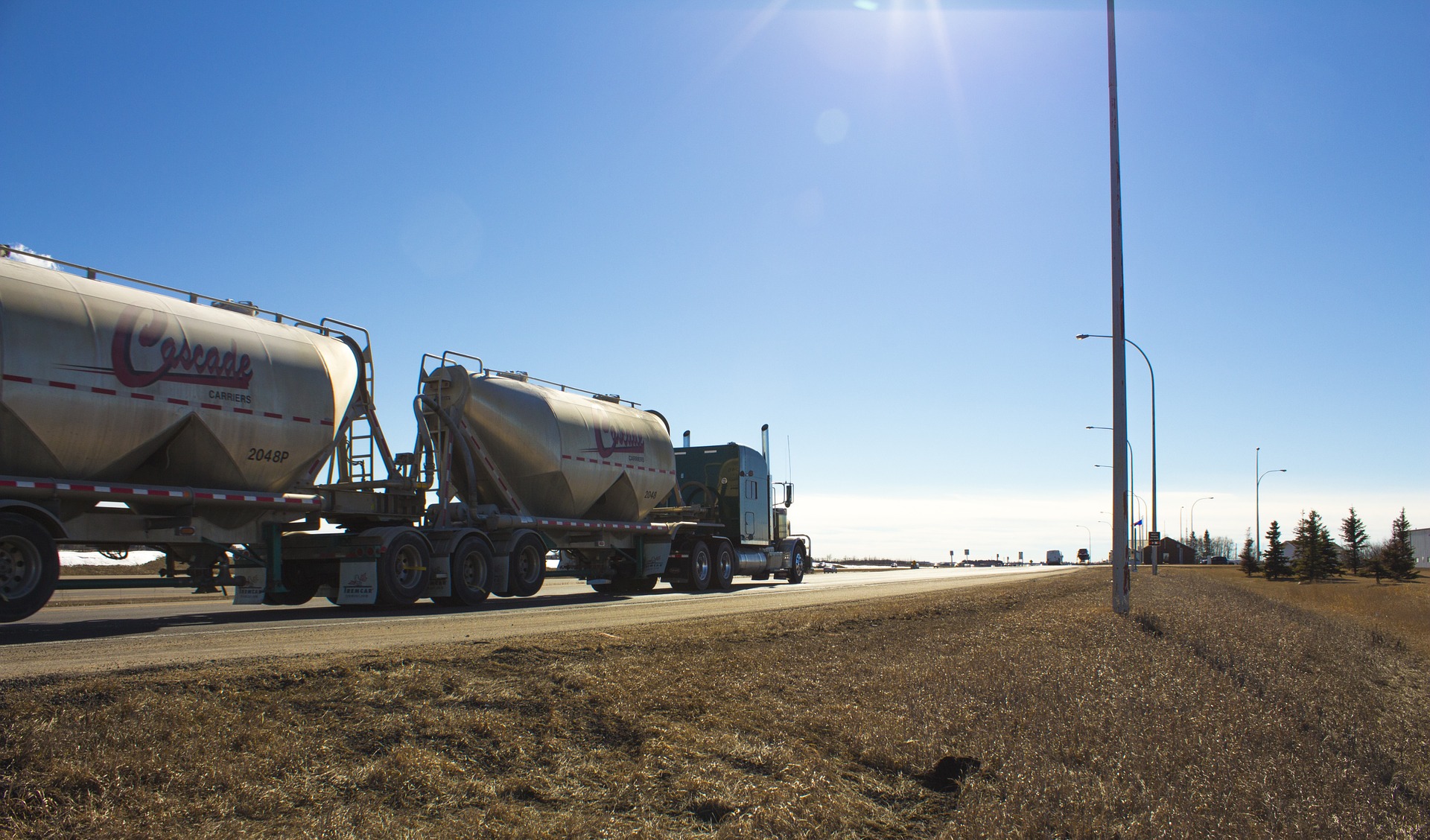
Bulk trucking refers to the transportation of large quantities of goods, most often as liquids or dry materials, using specialized vehicles. This method is vital for sectors needing the transportation of substantial loads, such as agriculture, chemicals, and construction. Bulk haulers, such as tankers for fluids and dry material hopper trucks, are designed to efficiently manage and transport these bulk commodities.
The coordination of bulk hauling involve careful planning and coordination, ensuring that the right vehicle is utilized for distinct cargo to prevent contamination and damage. Moreover, rules overseeing bulk movement require adherence to safety standards, particularly for hazardous materials.
Bulk transport is a key factor in the supply chain, facilitating the timely delivery of necessary supplies as it minimizes spending associated with transportation. By utilizing this approach, businesses can streamline their operations, guaranteeing a constant supply of materials necessary for production and other processes.
The Primary Upsides of Bulk Hauling
While many transportation methods exist, bulk trucking offers distinct advantages that can significantly improve workflow effectiveness for various industries. One significant benefit is cost-effectiveness; bulk trucking typically lowers the cost per unit shipped thanks to the power to haul large volumes simultaneously. This efficiency translates into lower overall transportation expenses, making it an attractive option for businesses.
Additionally, bulk trucking provides flexibility in scheduling and routing, enabling firms to adjust rapidly to changing demands. The capacity to move various kinds of cargo, including raw materials and consumer goods, makes it even more appealing.
Furthermore, bulk trucking can accelerate transit times, as efficient operations and direct routes cut down on travel time. Better management of loads also means less manual handling, reducing the chance of damage while moving cargo. Overall, these key benefits make bulk trucking an indispensable logistics solution for industries demanding reliability and efficiency in their supply chains.
Bulk Cargo Types
Various industries rely on bulk trucking to carry many different types of cargo. A primary category includes agricultural products, including grains, fertilizers, and animal feed. These goods are typically transported in massive amounts, necessitating specialized bulk trucks designed for efficient loading and unloading.
In addition, construction materials including sand, gravel, and cement are commonly moved using bulk trucking services. These materials are essential for various construction projects and need prompt delivery to keep projects on schedule.
Chemical substances, such as liquid and dry chemicals, also represent a major segment of bulk cargo. These chemicals necessitate prudent handling and compliance with safety regulations in transit.
Moreover, food products, like sugar and flour, are transported in bulk to fulfill manufacturing and distribution requirements. Overall, the range of bulk cargo highlights the versatility and significance of bulk trucking in aiding diverse economic sectors.
How Technology Affects Bulk Trucking
How has technology transformed the landscape of bulk trucking? Incorporating advanced technologies has boosted operational efficiency and safety within the bulk trucking industry. GPS tracking systems enable live tracking of cargo and vehicles, which helps ensure timely deliveries and improved route planning. Furthermore, telematics has proven to be a crucial tool, providing critical data on vehicle performance, fuel consumption, and driver behavior, contributing to cost savings and reduced environmental impact
(Illinois top rated Bulk Trucking)Moreover, automated systems for inventory management streamline loading and unloading processes, cutting down on delays and boosting productivity. Communication technologies are also crucial, linking drivers, fleet managers, and clients effortlessly. This connectivity promotes openness and improves client support by giving reliable status reports regarding the review status of the shipment. Since the industry keeps changing, these technological advancements will continue to transform bulk hauling, fostering new ideas and enhancing the quality of service in a competitive market
Selecting the Appropriate Bulk Hauling Provider
Selecting the appropriate bulk trucking service is essential for companies that want to enhance their operational efficiency. Businesses must start by reviewing their particular material demands, including the type of materials being transported and the volume. Reviewing the trucking provider's experience in handling similar shipments offers valuable perspective into their capabilities.
In addition, companies must examine the geographic coverage of the service, to verify the transport firm can efficiently reach the intended destinations. Another important factor is the provider's safety record and adherence to sector rules, which significantly influences the dependability of the service.
The expense is another crucial element; however, businesses should weigh pricing versus the standard of service so as not to sacrifice on important factors. Finally, customer support and methods of communication play a vital role in ensuring clarity throughout the shipping process. By thoroughly examining these factors, companies can select a bulk trucking service that matches their business requirements and aims.
Popular Questions and Answers

What Are the Typical Costs When Using Bulk Hauling Providers?
Standard expenses for bulk transport comprise the cost of fuel, labor costs, repair costs, insurance, and tolls. In addition, fees might change depending on the mileage, cargo type, and sector needs, influencing the final rate schedules.
How Should I Get My Load Ready for Bulk Haulage?
To prepare cargo for bulk trucking, verify suitable containment, secure load stability, confirm weight restrictions, and mark the items distinctly. Additionally, inspect for any damage and adhere to safety rules to facilitate efficient transportation and delivery.
What Safety Regulations Apply to Bulk Trucking?
Safety regulations for bulk trucking mandate observing weight restrictions, proper securing of cargo, adherence to dangerous goods regulations, periodic equipment reviews, and driver training requirements to guarantee safe transportation and lower the risk of mishaps. - Illinois top rated Bulk Trucking
- Illinois top rated Bulk Trucking
How Do Bulk Trucking Companies Handle Delays?
Bulk trucking companies handle setbacks by notifying customers in advance, revising delivery schedules, and rerouting loads as needed. They also utilize technology to track deliveries, ensuring timely updates and reducing supply chain interruptions.
Is Bulk Haulage Suitable for Cross-Border Transport?
Certainly, bulk transport supports global shipping by collaborating with logistics partners and utilizing specialized equipment. These companies ensure adherence to global standards, facilitating seamless cross-border transport for various bulk commodities all while prioritizing safety and speed.