A Guide to Bulk Trucking: Essential Services for Optimized Freight Transport
Bulk trucking serves as a vital element in the process of hauling substantial amounts of cargo. It covers multiple industries, guaranteeing that supplies are moved promptly and economically. By using dedicated trucks, this service reduces the hazards involved in handling and improves transport velocity. Yet, the domain of bulk trucking is evolving. Understanding its nuances can offer perspective on its rising relevance in modern supply chains. What components result to its effectiveness?
Defining Bulk Trucking?
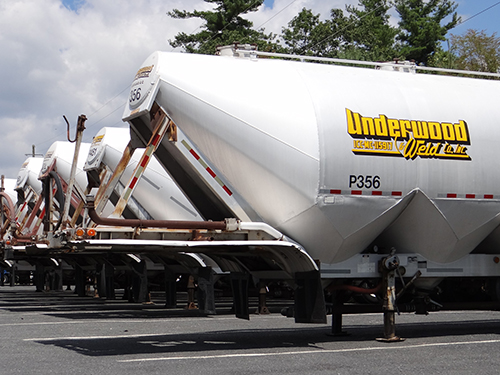
Bulk hauling means the hauling of massive amounts of goods, typically in liquid or dry form, with the aid of specific transporters. documentation This method is essential for businesses requiring the movement of heavy freight, such as agribusiness, chemical processing, and infrastructure. Specialized bulk vehicles, such as tankers for fluids and dry material hopper trucks, are designed to efficiently manage and transport these bulk commodities.
The management of bulk transport require meticulous organization and coordination, guaranteeing the correct transporter is used for specific materials to prevent contamination and damage. In addition, rules overseeing bulk movement require adherence to safety standards, particularly for hazardous materials.
Bulk transport is a key factor in the supply chain, facilitating the timely delivery of vital products and simultaneously reducing expenses linked to hauling. By employing this technique, businesses can make their workflows more efficient, ensuring a steady flow of materials required for manufacturing and related activities.
Major Advantages of Bulk Transport
While many transportation methods exist, bulk trucking provides unique benefits that can greatly enhance operational efficiency for numerous sectors. A key upside is cost efficiency; bulk trucking often reduces per-unit shipping costs due to the ability to transport massive quantities at once. This efficiency results in reduced total hauling costs, making it an attractive option for businesses.
Furthermore, bulk transport offers adaptability in planning and navigation, allowing companies to adapt quickly to changing demands. The potential to transport diverse cargo types, ranging from raw materials to finished products, expands its utility.
Moreover, bulk trucking can accelerate transit times, as streamlined operations and direct routes cut down on travel time. Improved load management also means less manual handling, lowering the risk of harm during transport. Overall, these key benefits establish bulk trucking as an vital logistical tool for industries demanding reliability and efficiency in their supply chains.
Categories of Bulk Cargo Moved
A wide range of industries utilize bulk trucking to move diverse categories of freight. One of the most common categories includes farm produce, like grains, fertilizers, and animal feed. This cargo is usually moved in massive amounts, meaning specialized bulk trucks are needed designed for quick and easy loading and unloading.
In addition, construction materials including sand, gravel, and cement are frequently moved using bulk trucking services. These goods are crucial to various construction projects and demand on-time delivery to maintain project schedules.
Chemical products, like both liquid and dry chemicals, also represent a major segment of bulk cargo. These substances demand careful handling and compliance with safety regulations while being moved.
Moreover, food products, such as sugar and flour, are transported in bulk to fulfill manufacturing and distribution requirements. Taken together, the wide variety of bulk cargo highlights the versatility and significance of bulk trucking in supporting various economic sectors.
How Technology Affects Bulk Trucking
How has technology revolutionized the landscape of bulk trucking? The use of advanced technology has greatly enhanced operational efficiency and safety within the bulk trucking industry. GPS systems permit monitoring cargo and vehicle locations in real-time, facilitating timely deliveries and improved route planning. Furthermore, telematics has emerged as an essential tool, providing critical data on vehicle performance, fuel consumption, and driver behavior, ultimately leading to cost savings and reduced environmental impact
(Illinois top rated Bulk Trucking)In addition, automated systems for inventory management optimize loading and unloading processes, reducing delays and increasing productivity. Modern communication systems also play a significant role, linking drivers, fleet managers, and customers seamlessly. This integration fosters transparency and enhances customer service through offering precise information on shipment status. With the ongoing evolution of the sector, such technological progress will further reshape bulk trucking, fostering new ideas and improving service quality in a competitive market
How to Pick the Best Bulk Transport Company
Selecting the appropriate bulk trucking service is vital for businesses seeking to streamline their supply chain. Firms ought to commence by reviewing their particular material demands, comprising the nature of the materials moved and the quantity. Reviewing the trucking provider's experience with managing comparable loads offers valuable perspective on their capacity.
Moreover, firms need to evaluate the service's operational reach, making sure the copyright is able to effectively serve the required locations. A further critical element is the provider's safety record and adherence to sector rules, which significantly influences the total trustworthiness of the operation.
The expense is another crucial element; however, companies must balance costs against service quality so as not to sacrifice on critical aspects. Lastly, client assistance and how they communicate are essential in maintaining transparency during the entire delivery operation. By carefully analyzing these aspects, businesses are able to choose a bulk transport provider that aligns with their operational needs and objectives.
Q&A Section
What Expenses Are Usually Involved When Using Bulk Hauling Providers?
Typical costs associated with bulk trucking services involve gasoline charges, driver wages, repair costs, policy costs, and highway charges. Additionally, rates may vary according to the length of the journey, the nature of the load, and the current demand in the market, impacting overall pricing structures.
How Do I Prepare My Cargo for Bulk Haulage?

To prepare cargo for bulk trucking, verify suitable containment, make sure the cargo is fixed, check the maximum allowed weight, and clearly tag the contents. Moreover, look for potential harm and adhere to safety rules to facilitate efficient transportation and arrival.
What Safety Regulations Apply in Bulk Transport?
Safety regulations for bulk trucking mandate adhering to weight limits, ensuring cargo is properly secured, compliance with hazardous materials guidelines, periodic equipment reviews, and driver training requirements to facilitate safe transit and minimize accident risks. - Illinois top rated Bulk Trucking
- Illinois top rated Bulk Trucking
How Do Bulk Haulers Address Transportation Delays?
Bulk trucking companies handle setbacks by providing upfront client communication, revising delivery schedules, and diverting shipments if required. They also utilize technology to track deliveries, ensuring timely updates and reducing supply chain interruptions.
Can Bulk Trucking Accommodate International Shipping?
Certainly, bulk transport supports global shipping by partnering with logistics providers and using purpose-built vehicles. These companies guarantee compliance with international regulations, allowing for easy transit across borders for various bulk commodities while upholding security and effectiveness.