Uncovering the Upsides of Using Bulk Freight Transport for Your Transportation Requirements
Moving goods in bulk presents a strategic option for companies looking to optimize their shipping logistics. By consolidating shipments, companies can achieve major financial benefits and lower their impact on the environment. In addition, this approach provides greater dependability and flexibility in transport timetables - Illinois top rated Bulk Trucking. As the landscape of supply chain management evolves, understanding the nuances of bulk freight transport is necessary for maintaining a competitive edge. What further benefits might this approach reveal for current enterprises?
Lowering Costs Using Economies of Scale
While numerous companies are dealing with increasing shipping expenses, bulk freight provides major reductions in cost through the principle of scale efficiency. By assessment consolidating shipments, businesses are able to lower the individual item shipping expense, as more substantial loads permit more efficient use of resources such as staff and energy. Such efficiency results in lower overall expenses, which makes bulk transport an attractive option for businesses looking to optimize their logistics.
Moreover, bulk transport reduces the amount of travel needed, which results in additional cost reduction associated with vehicle maintenance and driver wages. Firms may obtain more favorable fees with carriers when committing to larger volumes, enabling them to benefit from lower delivery charges. In turn, companies are able to direct their financial gains towards other functions, enhancing their competitive edge. In conclusion, the financial benefits of bulk transport position it as a smart decision for companies seeking to increase profitability while maintaining efficient supply chain operations.
Minimizing Environmental Harm
Bulk transport significantly helps achieve a lower ecological footprint, positioning it as a green option for shipping. Through the grouping of loads, this approach lowers the number of trips required to deliver goods, which in turn decreases energy use and carbon output. This efficient method of shipping bulk items allows for fewer vehicles on the road, lessening traffic jams and strain on public works.
Moreover, many bulk trucking companies are adopting more sustainable practices, such as deploying energy-saving fleets and improving travel paths to reduce their environmental impact even more. The use of advanced technologies in transport management also aids in tracking pollution and boosting operational performance. Given that corporations are emphasizing sustainability more, selecting bulk hauling doesn't just support green efforts but also aligns with corporate social responsibility goals. As a result, bulk trucking serves as a practical solution for firms aiming to minimize their environmental damage while still meeting their transportation needs.
Better Transit Times and Trustworthiness

When companies choose bulk trucking for their transportation needs, they frequently see faster delivery speeds and greater trustworthiness. This mode of transportation is designed to efficiently handle large quantities of goods, minimizing the required trips. Through combining loads, businesses can reduce holdups related to staging and destaging, which ensures faster movement.
Moreover, bulk trucking typically involves fewer stops, which simplifies the shipping operation. Numerous bulk haulers employ cutting-edge tracking and logistics tools, providing real-time updates that enhance transparency and accountability. This transparency allows firms to plan better, ensuring that products arrive on schedule.
Moreover, bulk transport's dependability is strengthened by seasoned operators and properly serviced trucks, reducing the risk of breakdowns or delays. Consequently, firms can trust bulk hauling services to reliably hit their transit targets, which ultimately boosts client happiness and reinforcing business relationships.
Greater Cargo Capacity and Versatility
While many transportation options have limitations on load size, bulk trucking offers enhanced load capacity enabling businesses to move large amounts of products in a single haul. This capability is particularly beneficial for industries requiring the movement of large volumes, such as agriculture, construction, and mining. Using specialized trucks built for bulk goods, businesses can optimize their shipping processes, minimizing the hauls necessary for delivery.
Moreover, bulk transport offers versatility in how loads are arranged, allowing for diverse product types, such as powders, grains, and liquids. This versatility allows companies to adapt to changing demands and manage their supply chain effectively without losing hauling power. By leveraging the enhanced load capacity and flexibility of bulk trucking, firms can simplify their workflows, reduce shipping expenses and guarantee a more reliable delivery process. In the end, this choice offers a viable answer for businesses looking to optimize transport effectiveness and fulfill customer requirements.
Efficient Supply Chain Operation
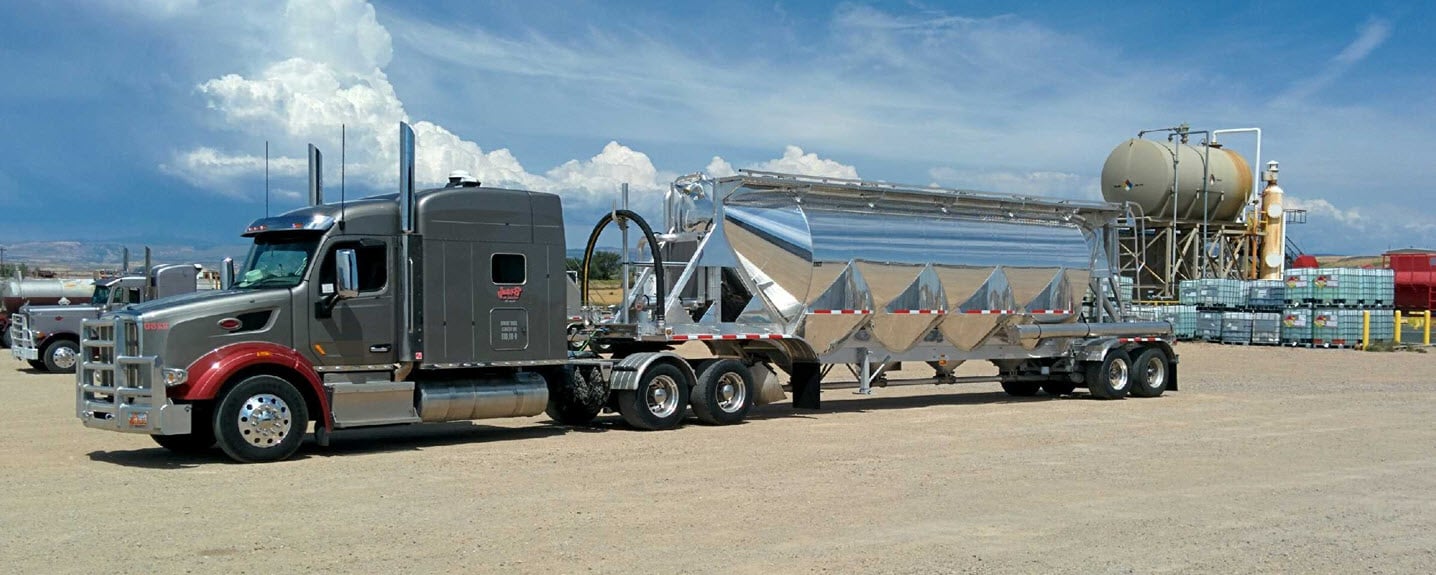
Better supply chain management becomes increasingly achievable with the incorporation of large-scale transport into transport processes. By combining loads, businesses can cut down on transit expenditure and speed up delivery. Large-scale transport allows for the shipping of larger quantities of goods in fewer trips, lessening the difficulty associated with multiple shipments. This effectiveness makes possible superior warehouse organization, as companies can receive and distribute products with greater speed.
In addition, bulk trucking strengthens interaction and cooperation among SCM stakeholders. With fewer carriers involved, shipment visibility is streamlined, which provides greater clarity and faster reaction speed to potential problems. The reliability of bulk trucking also ensures that goods arrive at their destinations in excellent shape, decreasing the chance of transit issues. In summary, adding large-scale hauling into SCM frameworks creates a more unified and streamlined transport system, benefiting businesses and their customers alike.
FAQs
What Types of Goods Are Best Suited for Large-Scale Hauling?
Bulk trucking is ideal for moving significant amounts of product such as agricultural products, building supplies, industrial compounds, and groceries. These goods gain from streamlined, affordable transport options, minimizing manipulation and lowering total shipping expenditure.
What Is the Process for Finding a Trustworthy Mass Hauler?
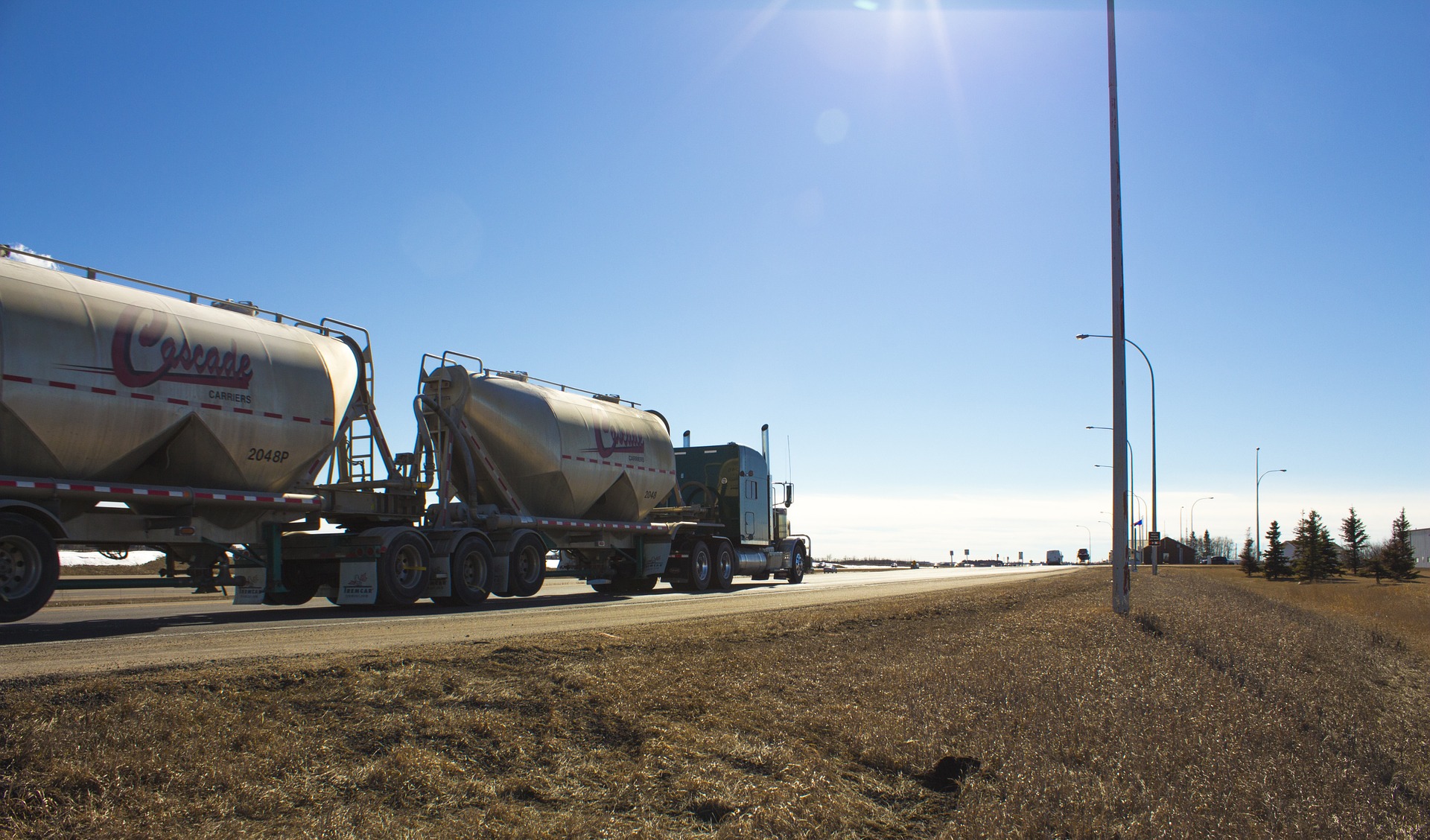
To find a dependable mass transporter, one should look up customer testimonials, seek recommendations from industry peers, evaluate certifications, and get multiple bids - Illinois top rated Bulk Trucking. Additionally, assessing the company’s history and vehicle resources is essential for selecting wisely
How Long Does It Usually Take for Bulk Shipments?
The standard shipping duration for bulk shipments typically ranges from 24 to 72 hours, depending on distance, road quality, and the nature of the freight. Variability in these factors can affect delivery schedules considerably.
Do Weight Limits Apply for Mass Transport Shipments?
Absolutely, bulk trucking loads must adhere to maximum weights, which vary by state and vehicle type. Illinois top rated Bulk Trucking. Regulations guarantee adherence and security, typically restricting loads to approximately 40 tons for typical commercial vehicles on interstates
Can Bulk Trucking Handle Temperature-Controlled Freight?
Certainly, bulk trucking can manage perishable freight through the use of specialized equipment, like reefer units. This ability makes certain that sensitive products preserve their necessary climate during transit, preserving quality and freshness.